The Hidden Bill You're Already Paying
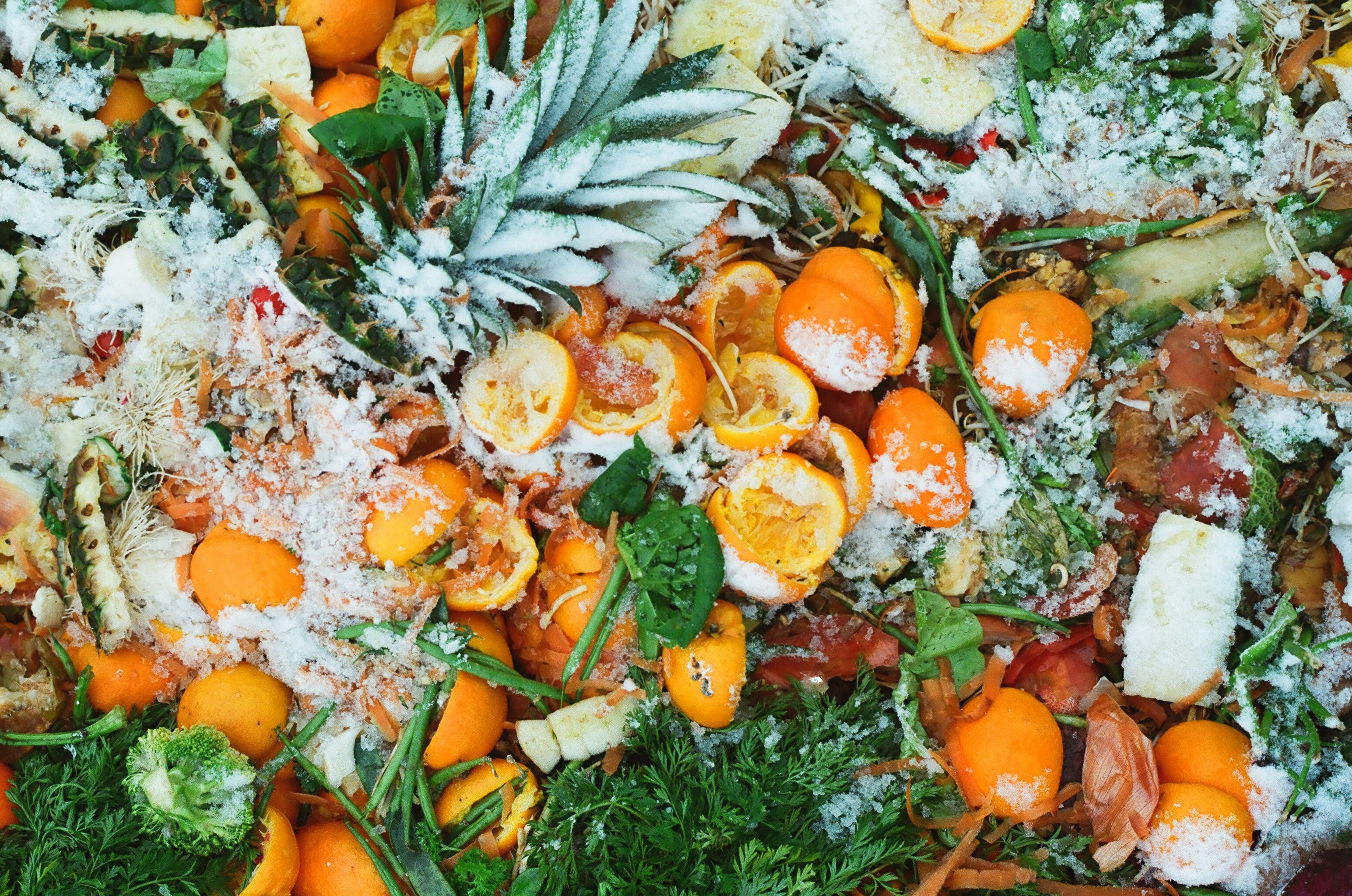
Every week, most families quietly throw away the equivalent of two or three full grocery bags. Not because they're wasteful people, but because modern life is busy, labels are confusing, and fridge organisation is genuinely hard. The USDA estimates that the average American household wastes around $1,500 worth of food per year. That's a weekend trip, a new piece of furniture, or three months of a gym membership gone in the bin.
The good news: food waste is almost entirely preventable, and the fixes are surprisingly simple once you know them.
1. Audit Your Fridge Before Every Shop
The single highest-impact habit you can build is a two-minute fridge scan before you go shopping. Open every drawer, check every shelf, and mentally flag what needs to be eaten in the next 3-5 days. Then build your shopping list around filling in the gaps around what you already have, not starting from scratch.
This one habit alone can cut impulse buys by 20-30%. You stop buying a second bag of spinach when one is already wilting at the back of the crisper drawer.
2. Decode 'Best By', 'Use By' and 'Sell By'
Most food waste is caused by a misunderstanding of date labels. Here's what they actually mean:
- Best By / Best Before: This is a quality date, not a safety date. It tells you when the manufacturer thinks the product is at its absolute peak flavour.
- Use By: This one is the safety date. It applies to products like raw meat and ready-to-eat deli items. Respect this one.
- Sell By: This is a stock management instruction for retailers. It has almost nothing to do with when you should eat the food.
A reliable rule of thumb: trust your senses first. If it looks fine, smells fine, and tastes fine, it almost certainly is fine. The USDA and food safety scientists agree that the date labels on most products are deeply conservative.
3. Master the 'Eat First' Shelf
Designate one shelf in your fridge (eye level is best) as your "Eat First" zone. Every time you put groceries away or do a fridge audit, move anything that's near its end-of-life to this shelf. It creates a visual cue that's impossible to miss when you're deciding what to cook tonight.
This system works because it removes friction. Instead of thinking "what should I cook?", the question becomes "what's on the Eat First shelf?" That's a much simpler decision, and it gets made automatically.
4. Learn Your Produce Storage Rules
Not all vegetables want to live in the same place. Getting this wrong is one of the biggest silent causes of food waste. Some key rules:
- Onions and potatoes should never be stored together. Onions emit a gas that causes potatoes to sprout faster. Keep them in separate, dark, cool spots.
- Tomatoes should stay at room temperature until ripe. Refrigerating them kills their flavour and turns their texture mealy.
- Fresh herbs last dramatically longer when treated like flowers. Trim the stems, stand them in a glass of water, and cover loosely with a plastic bag in the fridge.
- Avocados ripen at room temperature. Once ripe, move them to the fridge to pause the process by 2-3 days.
- Berries should be washed only right before eating. Moisture is the enemy; it accelerates mould growth.
5. Befriend Your Freezer
The freezer is the most underused appliance in most kitchens. Think of it as a pause button on food. Bread going stale? Slice it and freeze it. Spinach starting to wilt? A 30-second blanch and it goes straight into the freezer for future soups or smoothies. Ripe bananas? Peel and freeze them for the next time you want banana bread or a blended shake.
6. Cook in Themes, Not Single Recipes
One of the biggest structural causes of food waste is the recipe-first approach. You find a recipe online, buy all the ingredients, cook it once, and then have half a head of cabbage and a bunch of dill sitting in the fridge with no plan.
The solution is to think in themes rather than specific recipes. "Mexican week" means jalapeños, lime, black beans, and coriander all get used across tacos, a burrito bowl, and a spiced bean soup throughout the week. Everything connects. Nothing gets abandoned.
7. Let a Smart App Do the Heavy Lifting
Manually tracking what's in your fridge is genuinely difficult. This is exactly the problem that Frigo was built to solve.
Rather than AI inventing recipes out of thin air, Frigo intelligently scans a vast library of real, tested recipes and matches them to precisely what you have. Think of it as a hyper-organised sous chef who has memorised every cookbook ever written and can instantly tell you exactly what you can make with what's already on your shelves.
Ready to reduce your food waste?
Download Frigo today and start cooking more efficiently.