Why Most Meal Planning Fails
Search "meal planning" on any platform and you'll find colour-coded spreadsheets and elaborate prep sessions. It all looks aspirational. And for most people, it lasts exactly one week before life gets in the way.
The real problem is that most meal planning systems are too rigid. They treat dinner on Thursday like a fixed appointment. But Thursday is also the night your kid has football practice, your partner works late, and you've suddenly lost the energy to make the Moroccan lamb tagine you pencilled in last Sunday.
Effective meal planning isn't about locking in every meal. It's about reducing the number of decisions you have to make in the moment of hunger and exhaustion.
Step 1: Start With What You Have, Not What You Want
Most people plan meals first and then shop for ingredients. This is backwards. It's how you end up with a second jar of cumin and a drawer full of forgotten odds and ends.
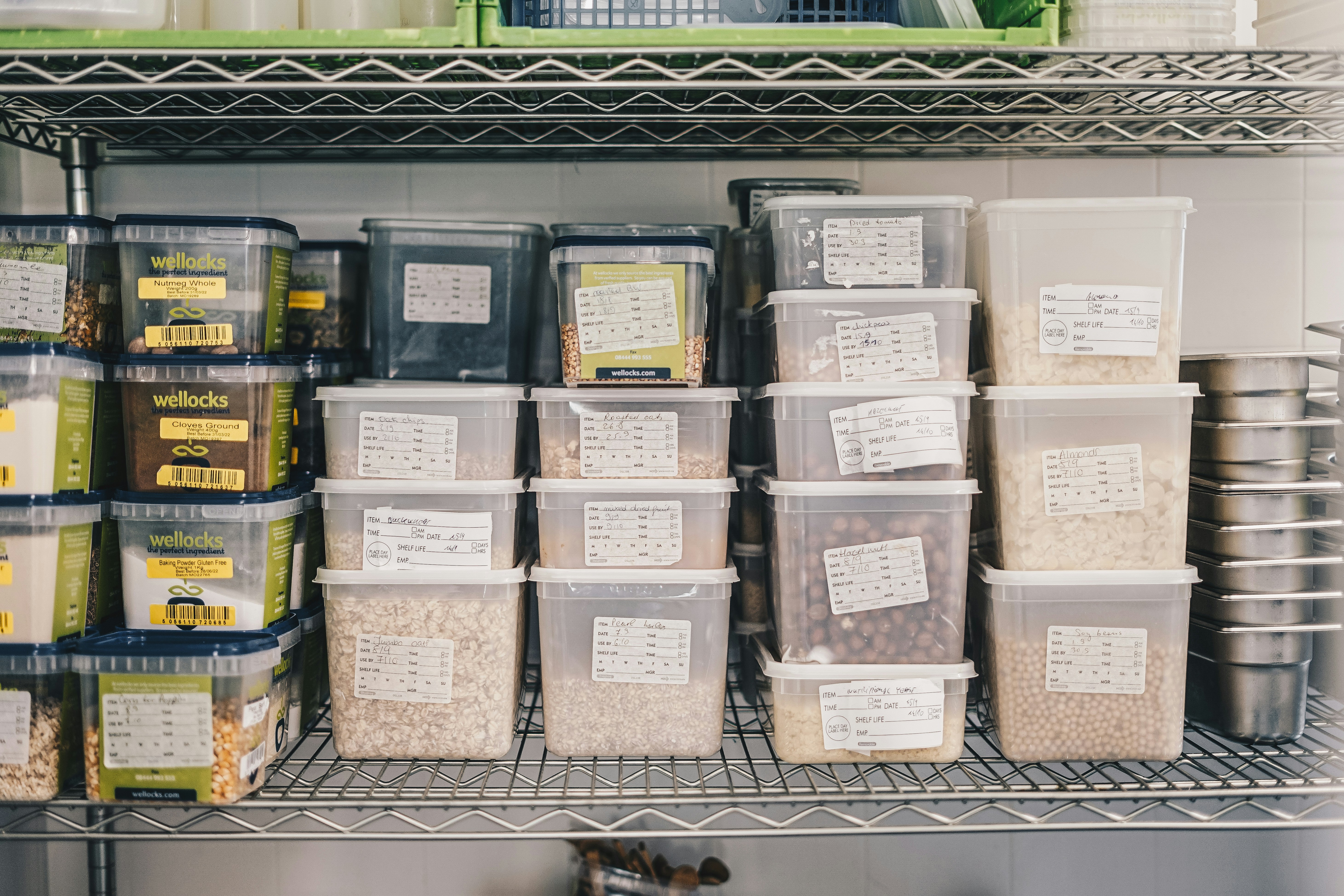
Instead, start every planning session with a full inventory of what you already have. Open every cupboard, rifle through the freezer, and pull out anything that's getting close to its use-by date. These items form the backbone of your week. Then build outwards from there, shopping only to fill the genuine gaps.
Step 2: Plan for Flexibility, Not Perfection
Instead of assigning specific meals to specific days, try planning around categories or protein types. For example:
- Monday: Something with the chicken thighs in the fridge
- Tuesday: A pasta or grain dish
- Wednesday: Leftovers or a quick stir-fry
- Thursday: Soup or something from the freezer
- Friday: Fridge-clear meal (whatever needs using most urgently)
This gives you a framework without boxing you into decisions you made five days ago. The chicken on Monday might become a roast, a pan-fry, or a curry depending on what you feel like.
Step 3: The Power of Anchor Ingredients
Buy one or two "anchor" ingredients each week that are versatile enough to appear in multiple meals. A rotisserie chicken, for example, becomes a salad on Monday, shredded tacos on Wednesday, and gets the carcass turned into a broth on Thursday.
Step 4: Batch Cook Components, Not Full Meals
Full meal prep, where you cook seven complete dinners on a Sunday, is exhausting and can feel repetitive. A smarter approach is to batch-cook components that can be mixed and matched.
Spend 45 minutes on Sunday doing three things: cook a pot of grains (rice, quinoa, or farro), roast a tray of whatever vegetables need using, and make a sauce or dressing you can use multiple ways. From those three components alone, you have the building blocks of four or five completely different meals throughout the week.
Step 5: Use Smart Matching to Surface What You Can Cook
Even the best-stocked fridge feels empty when you can't figure out what to cook with what's in it. This is exactly where Frigo's smart recipe matching shines. Instead of you scrolling recipes and hoping the ingredients align, Frigo scans what you have and surfaces recipes you actually have everything for.
The result is fewer "I'll just order delivery" moments, because you suddenly have a dozen genuinely cookable options laid out in front of you.
A Note on Shopping Lists
A good shopping list isn't just a list of things to buy; it's a contract with your future self. Keep your list focused and realistic. Plan for the life you actually live, not the life you aspire to on a Sunday morning.
Ready to reduce your food waste?
Download Frigo today and start cooking more efficiently.