The Food System's Dirty Secret
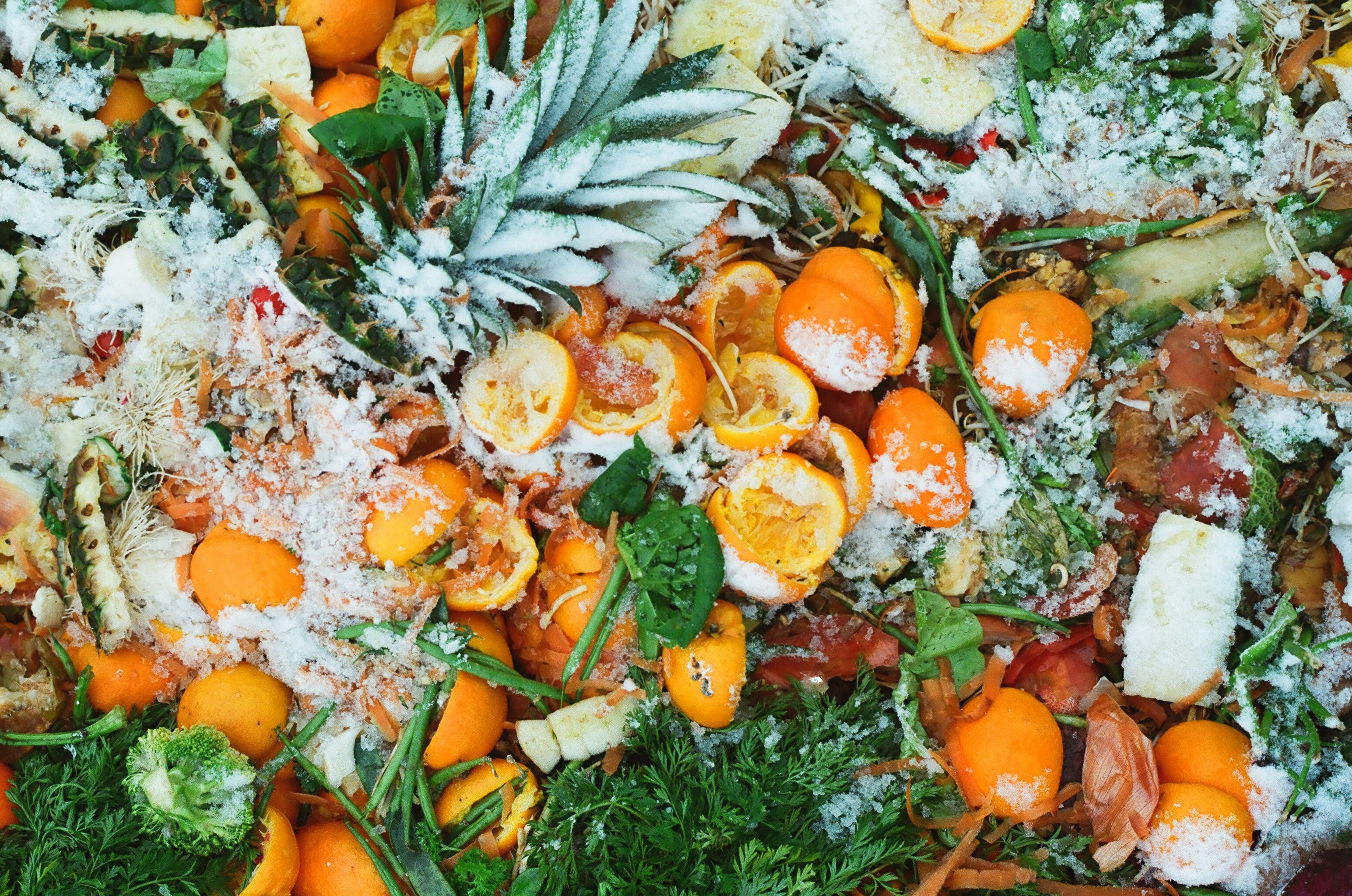
Global food production accounts for roughly 26% of total greenhouse gas emissions. But the part of that number that surprises most people: a third of all food produced is never eaten.
When food rots in landfill, it produces methane, a greenhouse gas roughly 80 times more potent than CO2. Reducing household food waste is one of the highest-impact climate actions an individual can take.
Root-to-Stem Cooking: Using the Whole Vegetable
Restaurant kitchens have practised whole-vegetable cooking for decades. Home cooks are catching up, and the results are genuinely delicious:
- Broccoli stalks: Peel the tough outer layer and you have a firm, mild vegetable excellent in stir-fries.
- Cauliflower leaves: These roast beautifully and taste like a slightly sweeter version of the florets.
- Herb stems: Parsley, coriander, and basil stems carry significant flavour. Chop them finely.
- Citrus peel: Zest everything before you juice it. citrus zest adds a burst of flavour to cakes and pasta.
- Corn cobs: Simmer the cobs in water for 30 minutes for a sweet, flavorful broth perfect for risotto.
The Environmental Maths of Meat
Meat has a disproportionately high environmental footprint. This doesn't mean everyone needs to go vegan, but it does mean that wasting meat has a particularly high environmental cost.
A practical approach: buy less meat overall, but buy better quality and waste none of it. If you buy a whole chicken, you should be getting three or four meals from it.
Bulk Buying: When It Helps and When It Hurts
Buying in bulk is only sustainable if you actually use everything you buy. It makes sense for shelf-stable items (canned goods, grains, dried pulses, nuts) and things you can freeze easily. It makes much less sense for fresh produce unless you have a specific plan.
Composting: The Last Resort, Not the First
Composting is excellent, but it should be thought of as the last resort, not the permission slip for waste. The hierarchy is: eat it, cook it into something else, freeze it, then compost whatever genuinely cannot be saved.
How Technology Closes the Loop
One of the biggest gaps in sustainable kitchen habits is the cognitive load of keeping track of what you have. Tools like Frigo are built specifically to close that loop, helping you see what needs using and instantly surfacing recipes that match your exact inventory.
Ready to reduce your food waste?
Download Frigo today and start cooking more efficiently.