Why Most People Quit Meal Prep
The internet version of meal prep is intimidating. It involves elaborate spreadsheets and multi-hour kitchen sessions. It also tends to produce repetitive results: the same meal eaten for seven days straight.
Real meal prep is a flexible set of habits that reduces your weekday cooking burden without turning Sunday into a second job.
The Goal Is Reducing Weeknight Decisions
The core purpose of meal prep isn't to have complete meals ready. It's to reduce the number of steps between you and dinner. If you've already washed and chopped your vegetables, that step doesn't exist on Tuesday.
Phase 1: Start With Just One Task
If you've never meal prepped before, don't try to do everything at once. Pick one thing to prepare in advance this week:
- Cook a pot of rice or quinoa on Sunday.
- Wash and chop all your salad vegetables for the week.
- Make one sauce that can be used multiple ways.
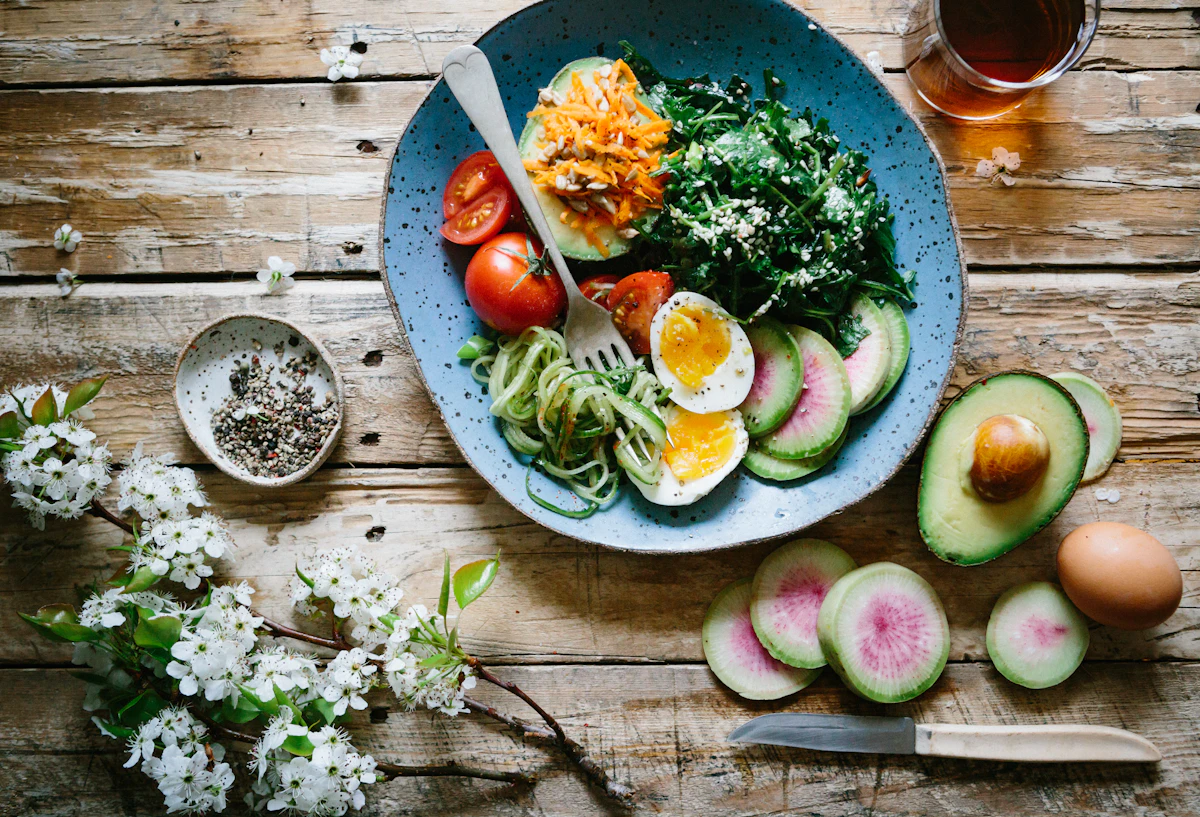
- Hard-boil a half dozen eggs for quick protein additions.
Phase 2: The Component Method
Move to what experienced meal preppers call the component method: instead of cooking complete meals, you prepare a set of building blocks that can be combined in multiple ways throughout the week.
A typical session might involve a batch of grains, roasted vegetables, and a versatile protein.
Phase 3: Batch Cooking the Smart Way
Some dishes genuinely improve over time or freeze well. Double batches of soups, stews, and curries are worth the effort. Freeze them in individual portions for emergency dinners.
Using Your Inventory Intelligently
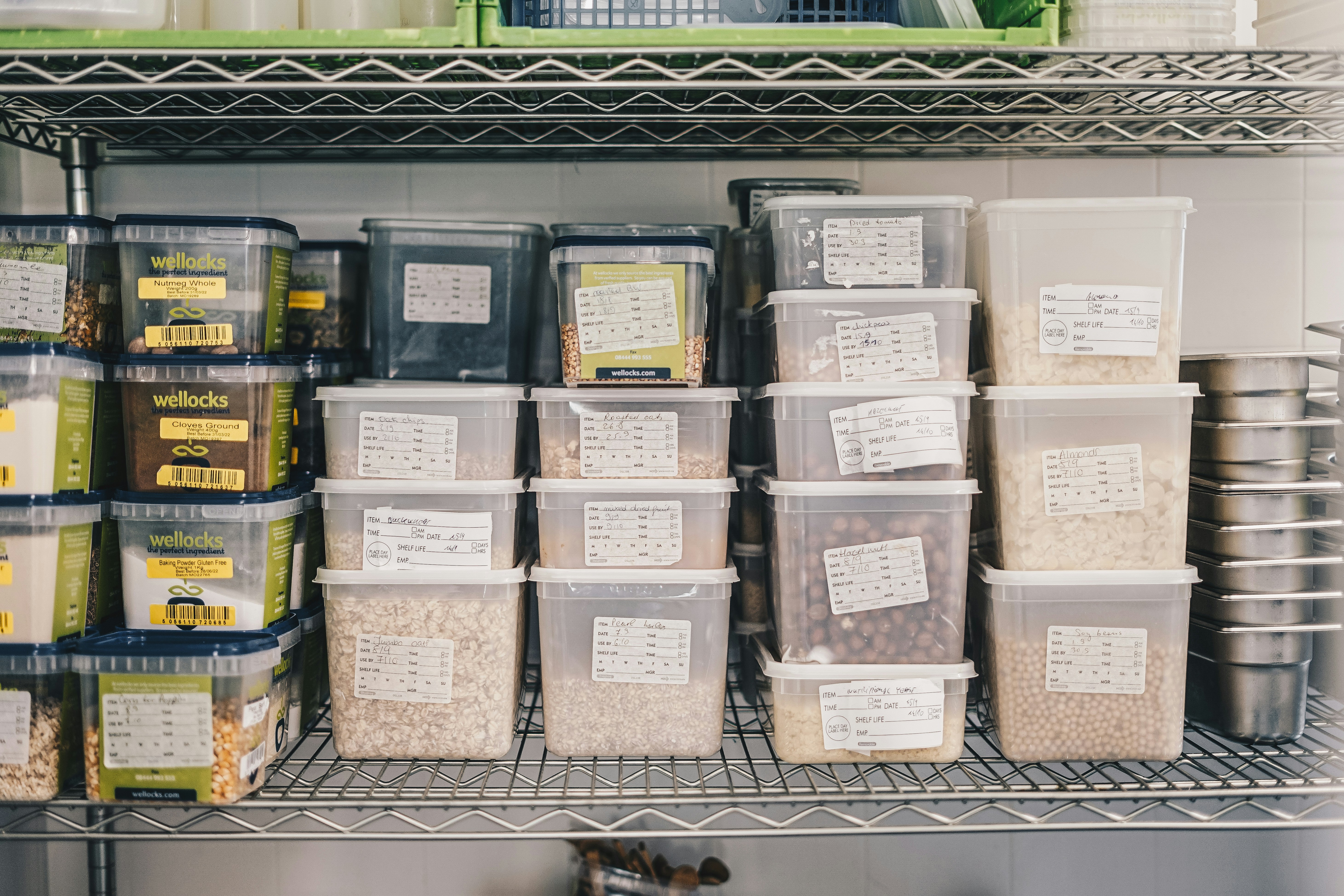
One of the practical challenges of meal prep is avoiding situations where prepped components expire. Knowing what you have is much easier when you use a tool like Frigo. You can scan your prepped components and quickly find recipes that use them.
Ready to reduce your food waste?
Download Frigo today and start cooking more efficiently.